Blood oath
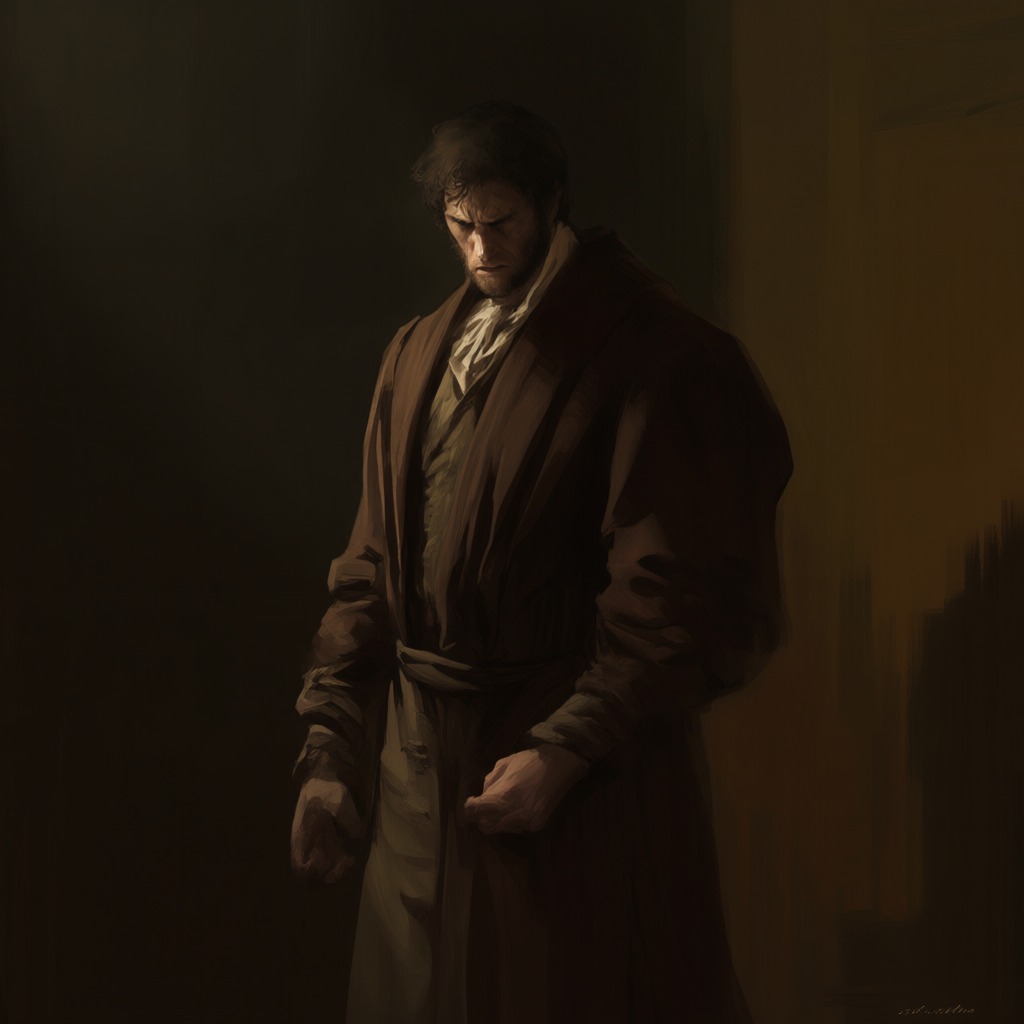
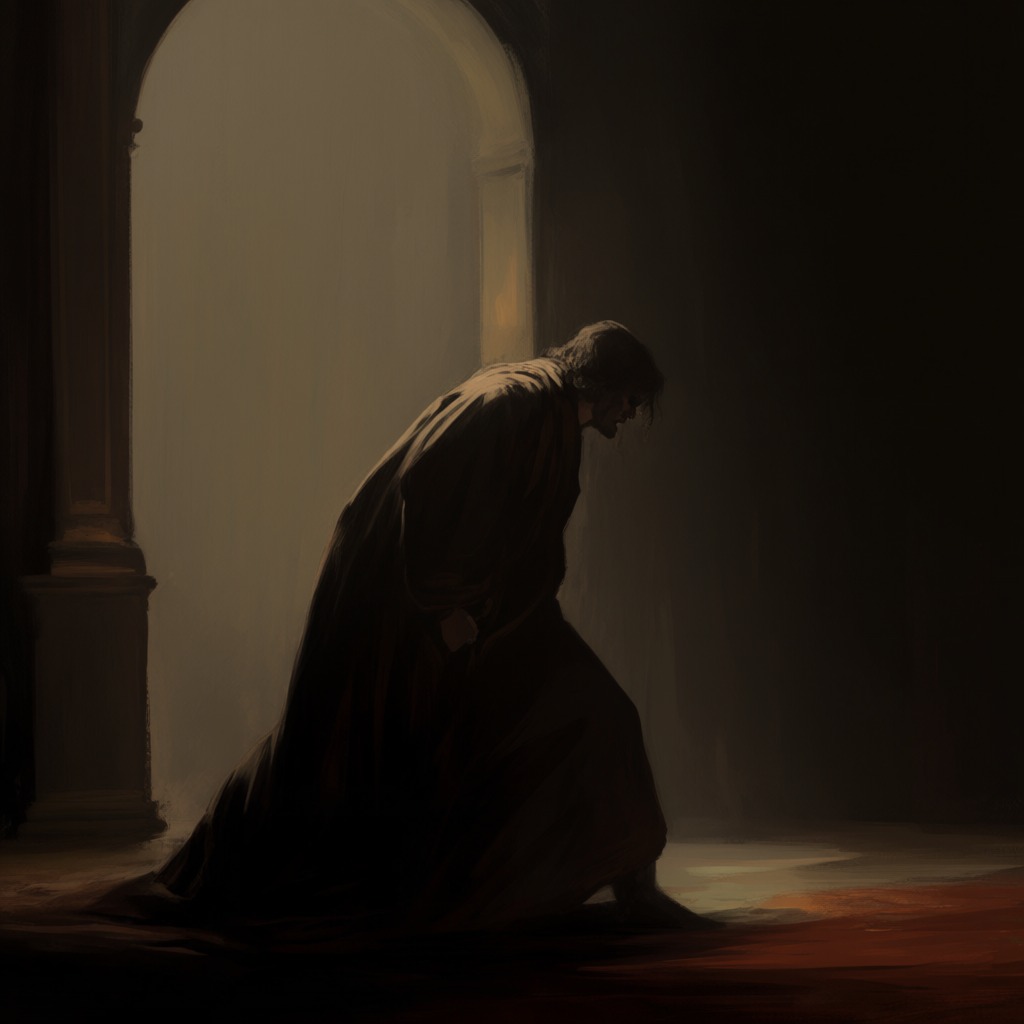
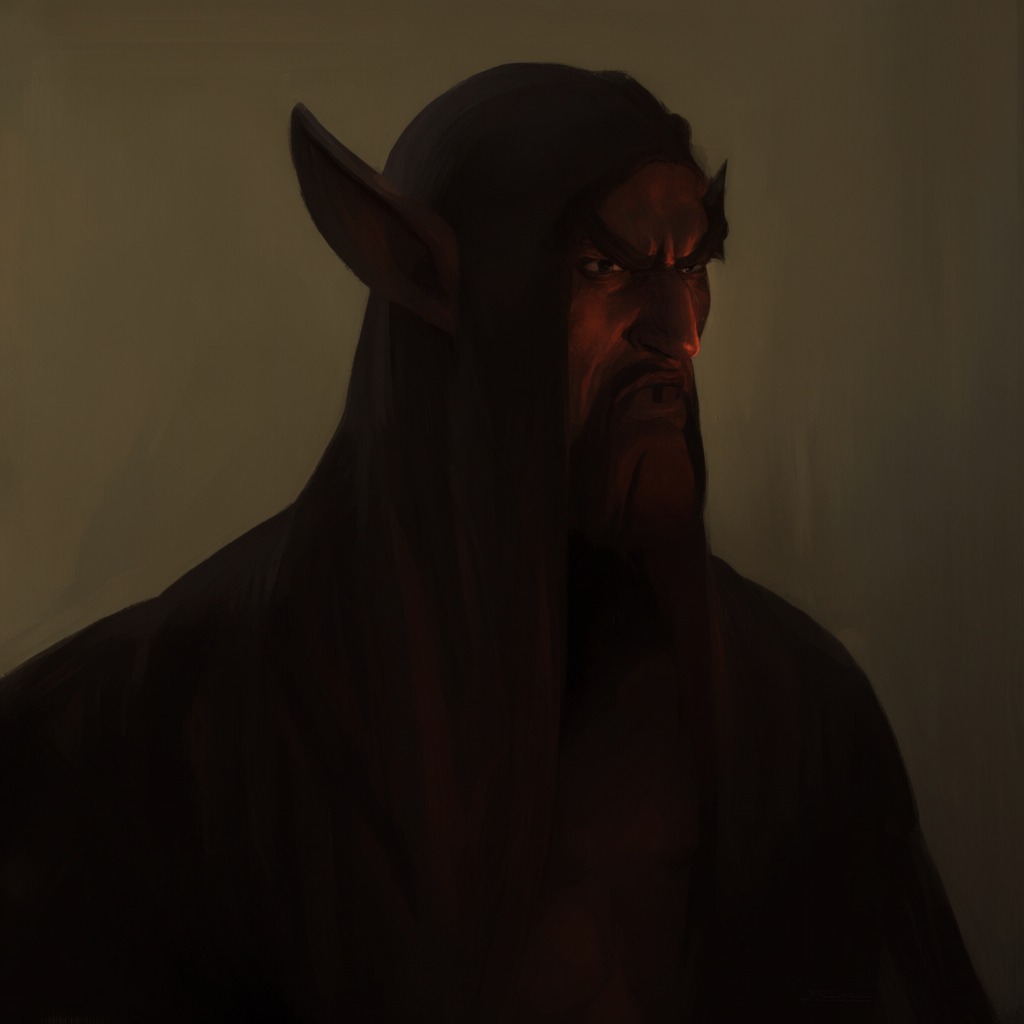
The blood oath is the most binding form of secrecy that Tom Sawyer and Huckleberry Finn can conceive, a pact that they believe will literally kill them if broken. It arises from the desperate need to protect themselves after witnessing Injun Joe murder Doctor Robinson in the graveyard. The oath is not a casual promise but a formal, written, and blood-signed contract, reinforced by superstition and the terror of the murderer's vengeance. It becomes the central moral and psychological burden of the boys' lives for much of the novel, shaping their actions, their consciences, and their eventual decision to testify.
Origin and Necessity
The oath is born in the immediate aftermath of the murder. As the two boys hide in the old tannery, Huckleberry Finn insists that ordinary handshake promises are insufficient for a matter of this magnitude. He declares that such a pact requires "writing 'bout a big thing like this. And blood." Tom Sawyer wholeheartedly agrees, recognizing that the danger from Injun Joe is so great that only the most solemn and terrifying vow can ensure their silence. The boys understand that if they speak, Injun Joe will kill them "just as dead sure as we're a laying here." The oath is thus a survival mechanism, a desperate attempt to create a supernatural deterrent against their own potential betrayal.
The Ritual and Its Components
The ritual is elaborate and carefully executed. Tom picks up a clean pine shingle that lies in the moonlight and, using a fragment of "red keel" (a type of red chalk or stone), painfully scrawles the oath upon it, emphasizing each slow down-stroke by clamping his tongue between his teeth. Huckleberry is filled with admiration for Tom's facility in writing and the sublimity of his language. For the blood-signing, Tom initially prevents Huck from using a brass pin, fearing "verdigrease" (verdigris) poison. Instead, Tom unwinds the thread from one of his needles, and each boy pricks the ball of his thumb and squeezes out a drop of blood. After many squeezes, Tom manages to sign his initials using the ball of his little finger as a pen, and then shows Huckleberry how to make an "H" and an "F." The oath complete, they bury the shingle close to the wall of the tannery, accompanying the act with "some dismal ceremonies and incantations." They consider the fetters that bind their tongues to be locked and the key thrown away.
The Oath's Power and Consequences
The oath exerts a powerful, almost supernatural hold over the boys. They believe that breaking it would cause them to "drop down dead." This belief is tested and reinforced when they witness Injun Joe calmly lying at the inquest and later under oath, and no divine lightning strikes him down. They conclude that Joe has "sold himself to Satan," making it even more fatal to meddle with his affairs. The oath becomes a source of immense psychological torment. Tom's conscience is so troubled that he talks in his sleep, saying "It's blood, it's blood, that's what it is!" and "Don't torment me so -- I'll tell!" He suffers for weeks, secretly bringing comforts to Muff Potter in jail to ease his guilt. The oath's power is such that it takes the impending execution of an innocent man and the direct confrontation with Injun Joe in court to finally break its hold, forcing Tom to testify.
The Oath's Renewal and Final Abandonment
Even after the trial, the fear instilled by the oath persists. Tom and Huck renew their vow of secrecy, swearing "again with dread solemnities" to ensure their continued safety. The oath's legacy is a deep-seated terror that shapes their subsequent adventures, particularly their fear of encountering Injun Joe again. The blood oath is ultimately superseded not by a formal dissolution but by the force of moral necessity and the physical removal of the threat. Tom's decision to testify in court, driven by his conscience and the sight of Muff Potter's despair, effectively breaks the oath's power over him, even though the fear of its consequences lingers. The oath represents the boys' entry into a world of adult moral complexity, where the simple rules of childhood loyalty clash with the demands of justice and the terrifying reality of evil.